The global water crisis is one of the most pressing challenges of our time. With climate change, population growth, and industrial expansion putting unprecedented pressure on freshwater resources, wastewater treatment is no longer just about disposal—it's about creating sustainable water cycles for future generations.
The Paradigm Shift: From Waste to Resource
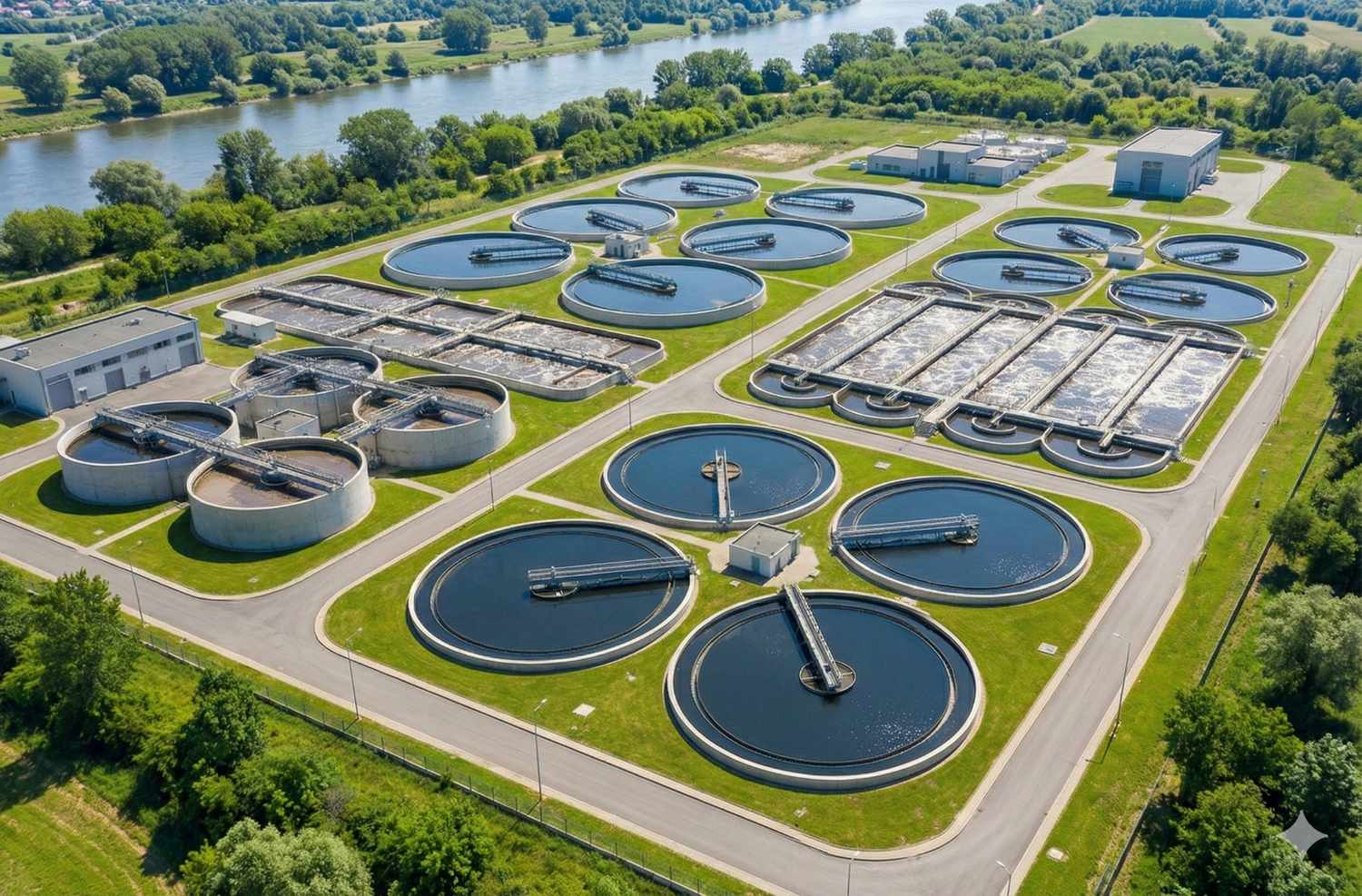
Traditional wastewater treatment focused solely on removing contaminants before discharge. Today's advanced facilities are transformation hubs, converting wastewater into multiple valuable resources: purified water for reuse, biogas for energy production, and nutrient-rich biosolids for agriculture.
This circular economy approach is reshaping how we think about water management. Cities like Singapore have pioneered "NEWater" programs, where treated wastewater meets drinking water standards. Such innovations demonstrate that with the right technology, wastewater is not waste—it's an untapped resource.
Revolutionary Technologies Transforming the Industry
1. Artificial Intelligence & Machine Learning
AI-powered treatment plants can now predict system failures before they occur, optimize chemical dosing in real-time, and adapt to fluctuating wastewater characteristics. Machine learning algorithms analyze years of operational data to identify patterns invisible to human operators, resulting in:
- 20-30% reduction in energy consumption
- 15-25% decrease in chemical usage
- Improved effluent quality consistency
- Predictive maintenance reducing downtime by 40%
2. Internet of Things (IoT) & Smart Sensors
Modern treatment facilities are equipped with thousands of interconnected sensors monitoring parameters like pH, dissolved oxygen, turbidity, and specific contaminants in real-time. This data ecosystem enables:
- Instant detection of toxic spills or abnormal discharges
- Automated process adjustments maintaining optimal treatment efficiency
- Remote monitoring and control reducing operational costs
- Digital twins for scenario planning and optimization
3. Advanced Membrane Technologies
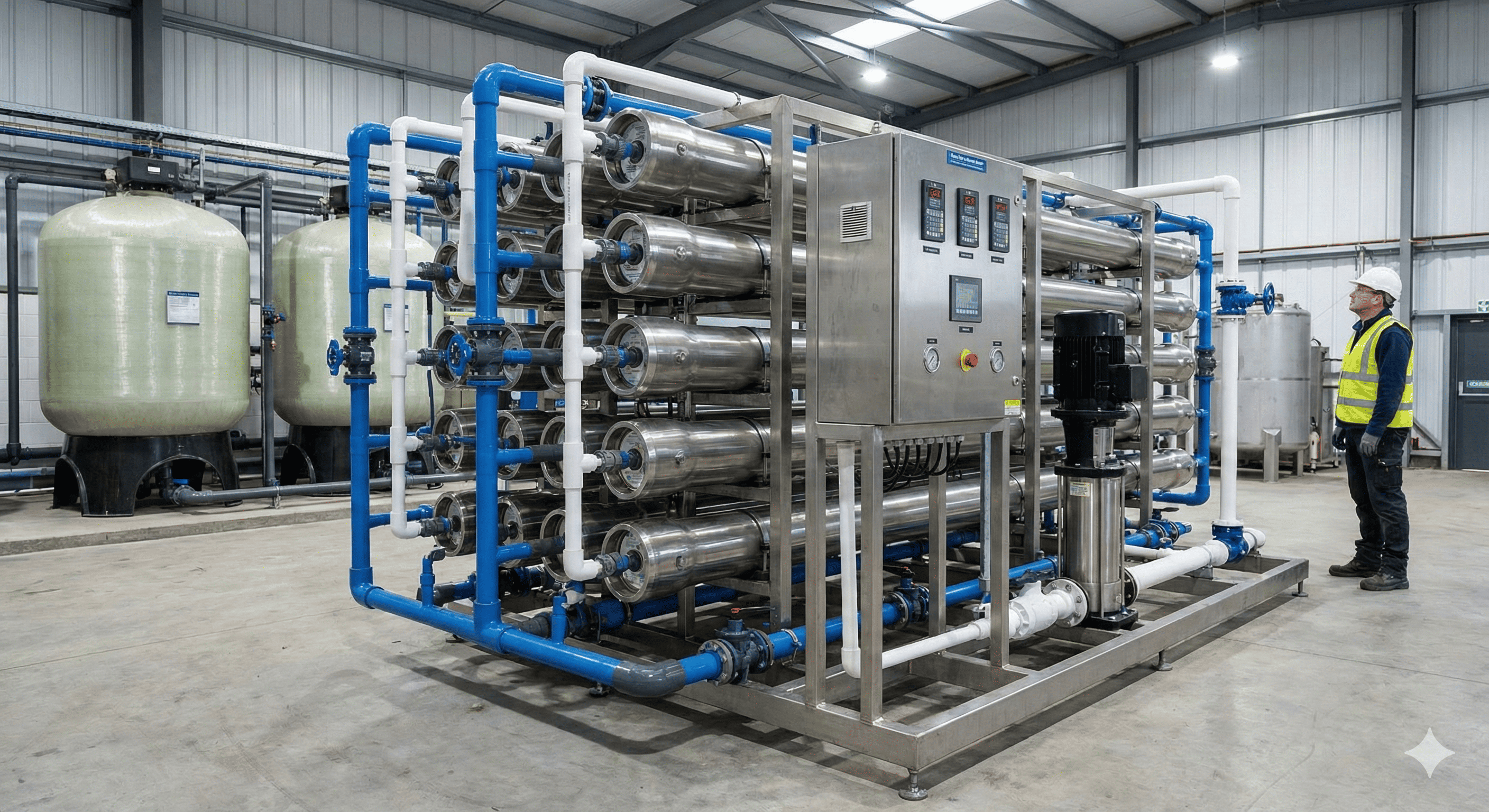
Membrane Bioreactors (MBR) and advanced filtration systems are revolutionizing treatment efficiency. These systems combine biological treatment with membrane filtration, producing water quality that rivals conventional drinking water sources. Key advantages include:
- 70% smaller footprint compared to traditional activated sludge systems
- Complete removal of suspended solids and pathogens
- Consistent high-quality effluent regardless of input variations
- Integration with reverse osmosis for potable water production
4. Energy Recovery Systems
Progressive treatment plants are becoming net-zero or even energy-positive facilities. Through anaerobic digestion, thermal hydrolysis, and combined heat and power (CHP) systems, plants convert organic matter in wastewater into renewable energy—biogas that generates electricity and heat for plant operations.
"The future of water management is not about treating waste—it's about harvesting resources. Every liter of wastewater contains water, energy, and nutrients that can be recovered and reused."
Decentralized Treatment: The Modular Revolution
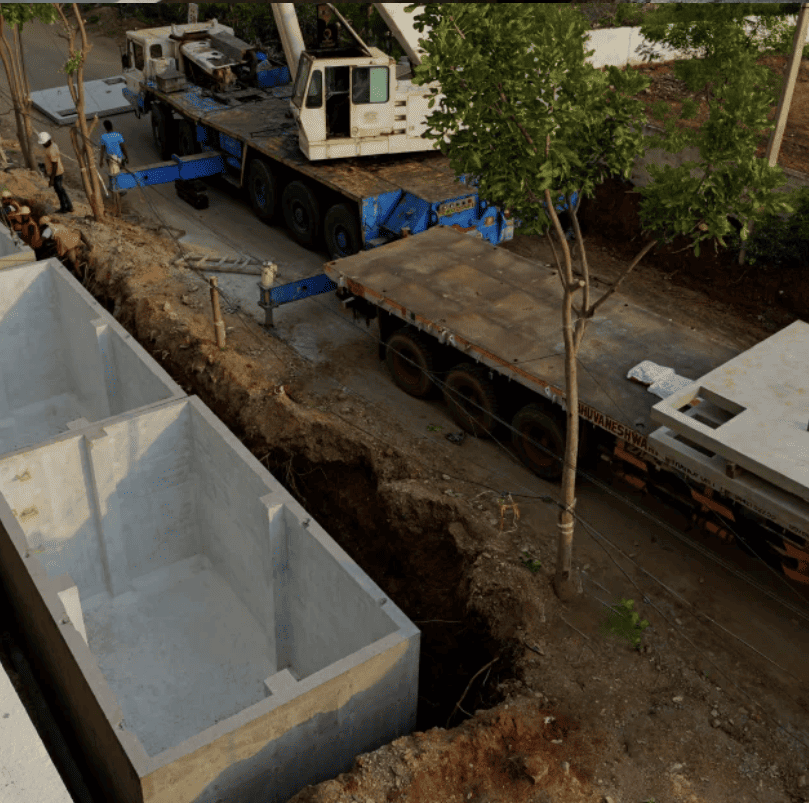
Large centralized treatment plants are being complemented—and sometimes replaced—by decentralized modular systems. These compact, containerized treatment units can be deployed rapidly and scaled flexibly:
- Rapid Deployment: Installation in weeks instead of years
- Scalability: Easy expansion by adding modules as demand grows
- Reduced Infrastructure: Minimal piping networks needed
- Point-of-Use Treatment: Water reuse directly at source
Emerging Frontiers: What's Next?
Nanotechnology
Nanomaterials and nanofilters promise removal of even the smallest contaminants, including microplastics, pharmaceutical residues, and endocrine-disrupting chemicals that conventional systems miss.
Electrochemical Treatment
Advanced oxidation processes using electrical currents can break down complex pollutants without chemicals, offering energy-efficient treatment for industrial wastewater.
Biological Innovation
Engineered microorganisms and algae-based systems are being developed to target specific contaminants while producing valuable by-products like bioplastics and biofuels.
Togreen Infra's Vision for Sustainable Water Future
At Togreen Infra, we're not just observers of this transformation—we're active participants driving innovation in India's wastewater treatment sector. Our commitment includes:
- Deploying AI-powered SCADA systems in our treatment plants
- Implementing advanced MBR technology for superior effluent quality
- Designing modular systems for rapid deployment and scalability
- Integrating energy recovery to minimize operational carbon footprint
- Partnering with research institutions to pioneer next-generation solutions
The future of wastewater treatment is here. It's sustainable, resource-efficient, and technology-driven. Whether you're a municipality planning infrastructure upgrades, an industry seeking compliance and efficiency, or a developer building smart communities, Togreen Infra has the expertise and innovation to deliver cutting-edge wastewater solutions.